Human-Centered Engineering Design student at UMich–Dearborn. I build experiences that connect emotionally — driven by curiosity, collaboration, and a process-first mindset.
Selected work
🚗
Engineering Design2024
E100 Rover Project
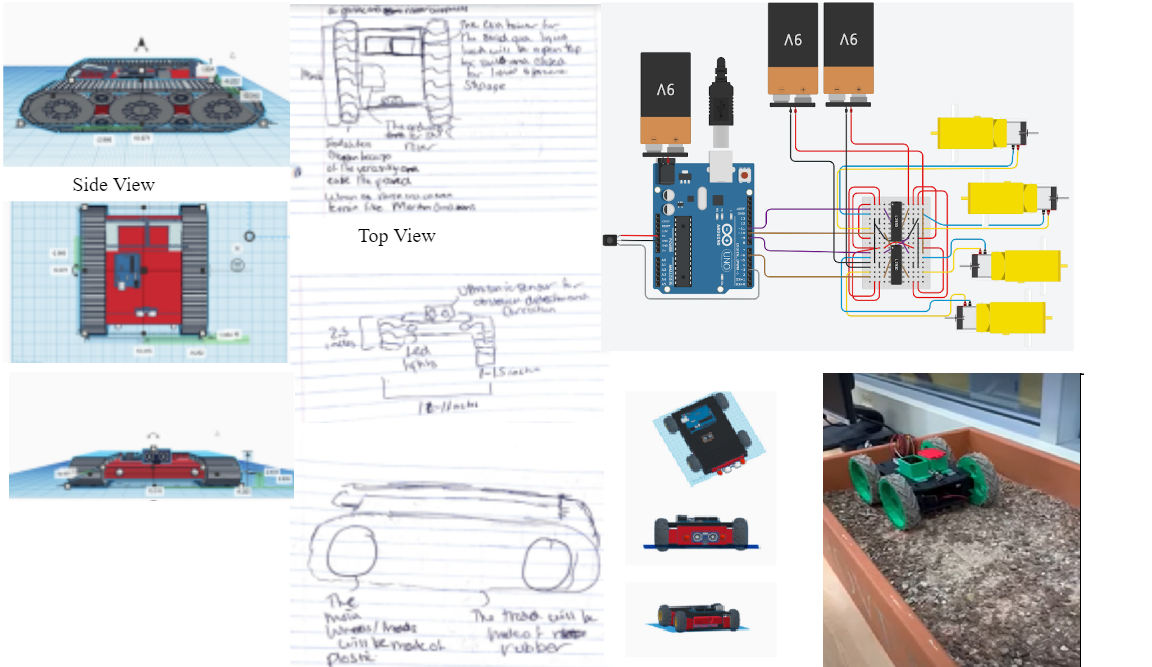
Led a student team to design and build a functional electric rover — including CAD wheel design, Arduino programming for terrain navigation, and full project management across milestones.
🧍
Senior CapstoneUX Research
Reducing Fall Risks for Older Adults
Ergonomic load-transfer research addressing fall prevention in aging populations — bridging the gap between a walker and a household cart.
🧠
Arduino PrototypeWearable
Mood Minder Prototype
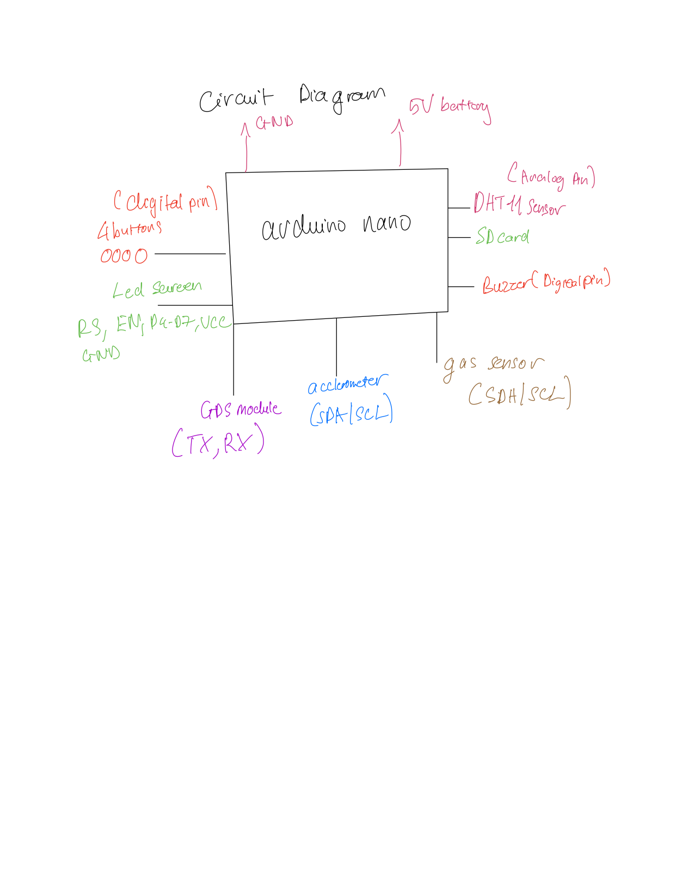
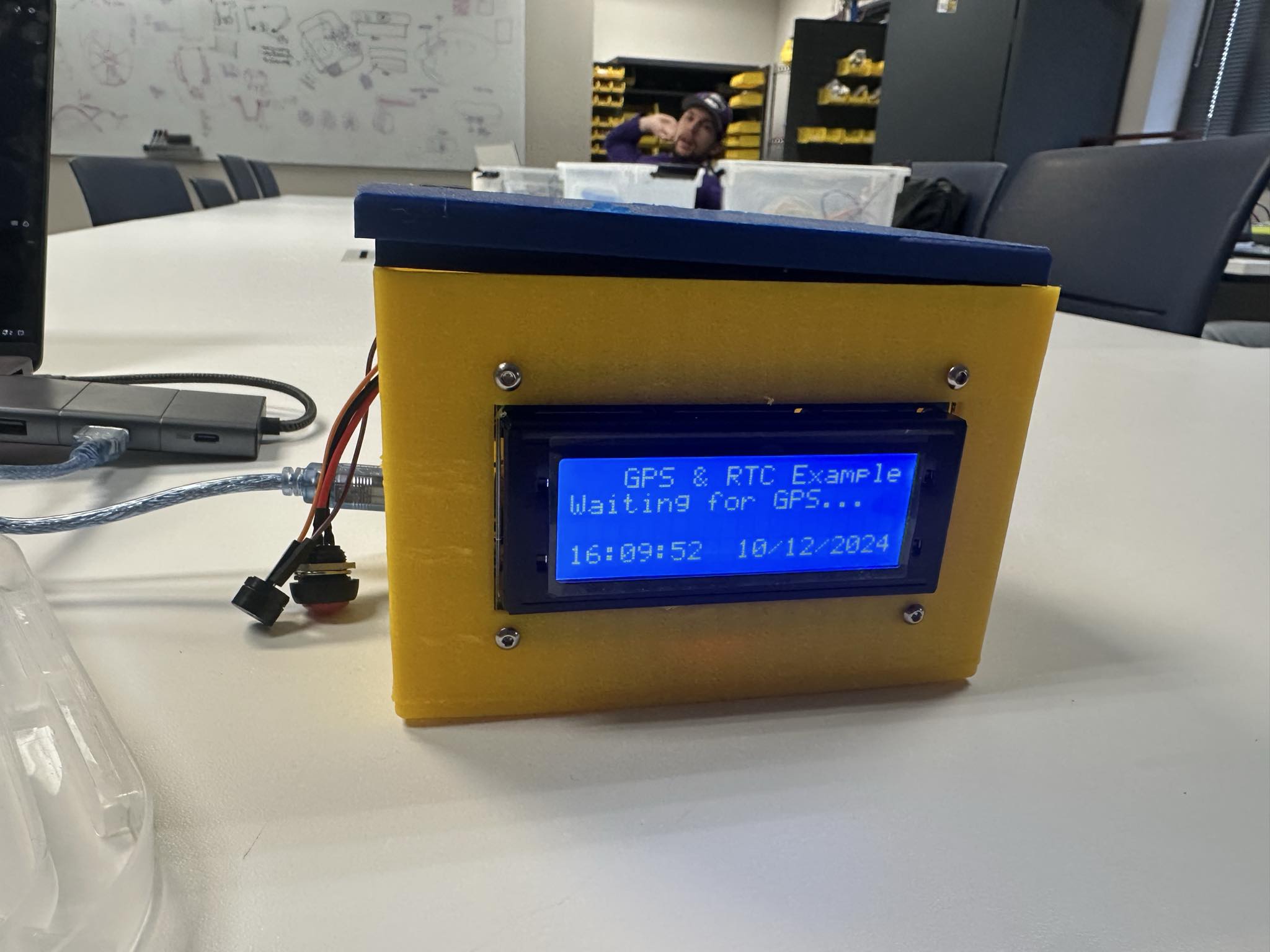
A wearable Arduino device combining activity tracking and emotion detection — GPS, RTC, accelerometer — to support personalized wellbeing feedback.
💊
Health UXHCED 4503D Design
Pill Pro Dispenser
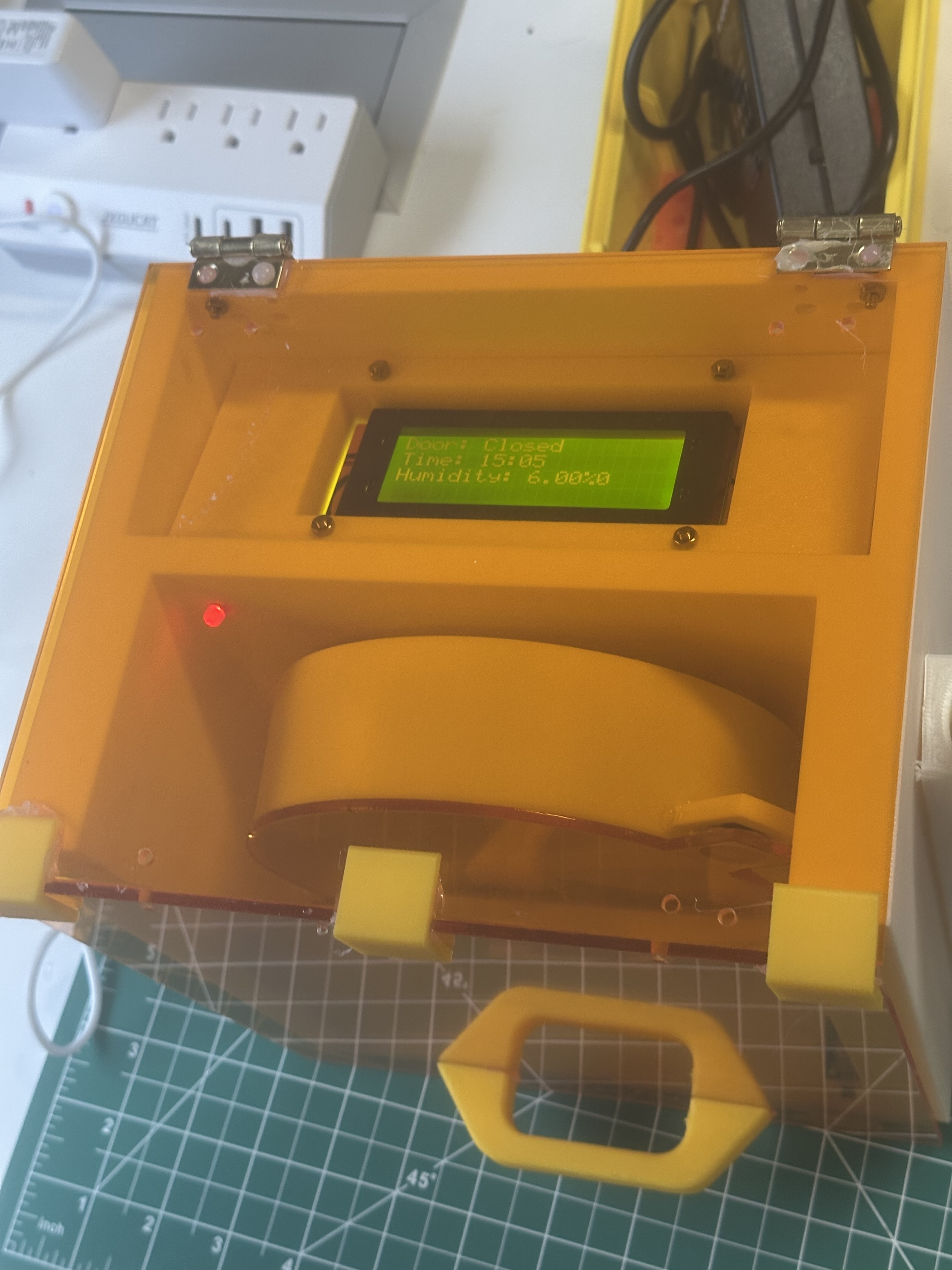
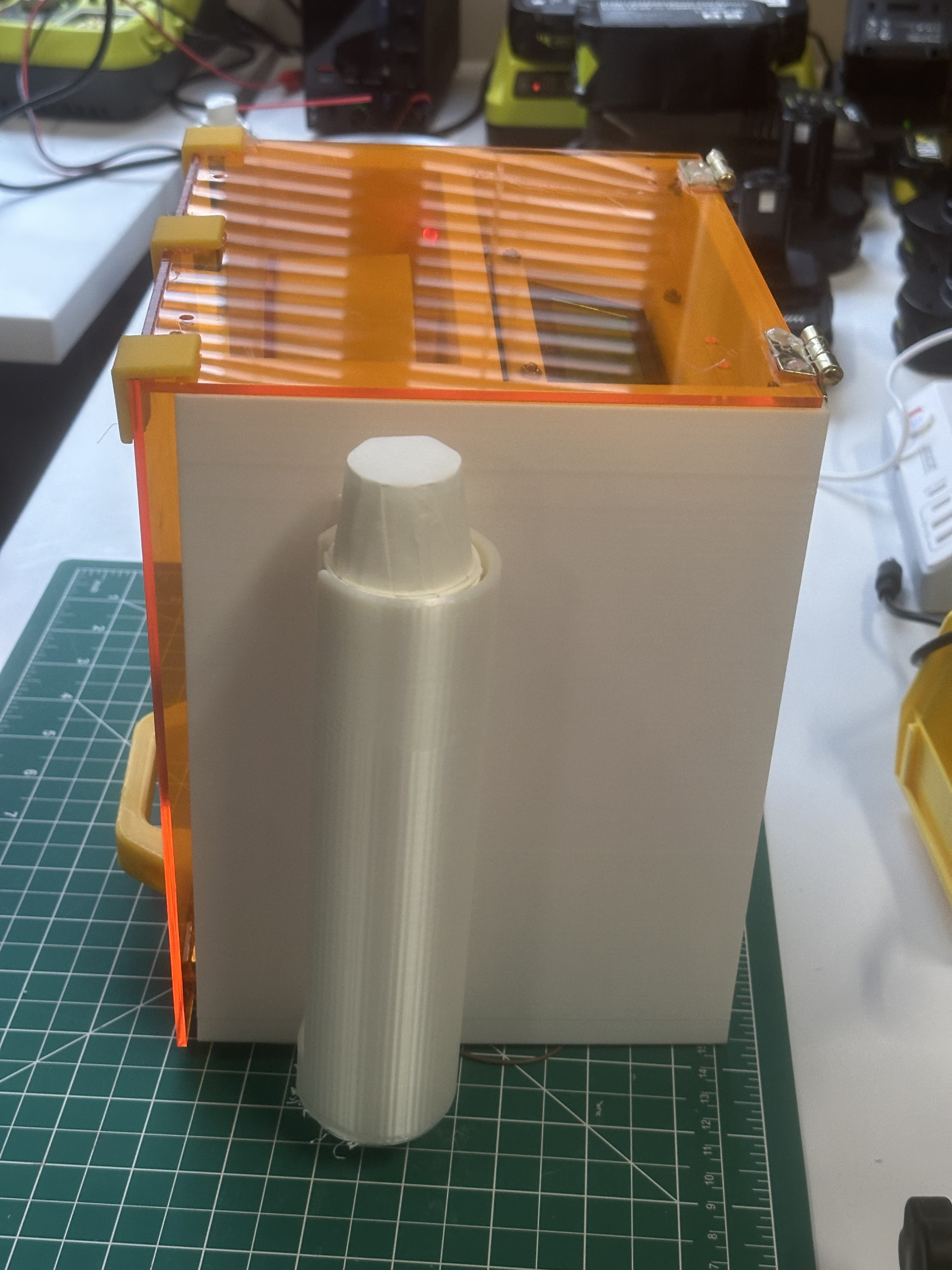
A 3D-designed medication dispenser prototype built to eliminate hospital dispensing errors — ensuring the right drug, dose, and patient, every time.
About me
I'm Zack — a Human-Centered Engineering Design student at UMich–Dearborn with a passion for designing products that feel right to the people who use them.
I grew up in Ho Chi Minh City, Vietnam, moved to Michigan during high school, and volunteered with Loaves & Fishes in Taylor before starting university. Those experiences shaped how I see design — not as aesthetics, but as care made tangible.
My process is rooted in empathy, curiosity, and honest iteration. I care about the real person on the other side of every interface, product, or system I work on.
2003–2018
Ho Chi Minh City, Vietnam
Born and raised. Developed a love for making things.
2018–2019
Rockford, Michigan
Sophomore year at Rockford High School.
2019–2021
Allen Park, Michigan
Graduated Cabrini High School · Volunteered at Loaves & Fishes, Taylor.
2021–2025
University of Michigan–Dearborn
BS in Human-Centered Engineering Design. Expected graduation 2025.
Skills & methods
🔍
UX Research
User interviews, usability testing, affinity mapping, journey mapping
✏️
Prototyping
Figma, wireframing, low- and high-fidelity mockups, rapid iteration
♿
Accessibility
Inclusive design principles, WCAG guidelines, designing for diverse users
🔧
Engineering Design
CAD, Arduino, systems thinking, mechanical prototyping
The E100 Rover project tasked our team with designing a functional wheel system for a rover chassis and developing Arduino code capable of navigating across varied challenge terrain. The project simulated real engineering constraints — balancing weight, durability, terrain adaptability, and control system reliability.
My Contributions
Served as Project Leader — coordinating tasks, timelines, and team deliverables
Scheduled and assigned work to each team member based on skills and capacity
Facilitated regular meetings including Zoom calls, calendar management, and progress check-ins
Designed the liquid holder component as a 3D CAD model
Designed the rover wheel for the chassis as a 3D CAD model
Contributed to Arduino programming logic for terrain navigation challenges
Design Context: Wheel Engineering
Designing wheels for a rover operating on rough terrain requires a deep understanding of the physical demands of the environment. The wheels must traverse rocky and sandy surfaces, handle inclines of various angles, and resist wear from abrasive contact.
Material selection was a key decision point — the wheels needed to be made from high-strength alloys or reinforced composites to withstand constant abrasion without rapid degradation.
Weight optimization was equally important: lighter wheels improve rover agility and energy efficiency, so we minimized mass while maintaining structural integrity under load.
The final design used a segmented wheel construction connected via a suspension system, allowing each wheel to move independently. This dramatically improved balance across uneven terrain. A wide, low-pressure tire profile distributed load evenly and prevented sinking on soft surfaces.
The conflict: daily living vs. physical decline. Older adults frequently need to move items between rooms — groceries, laundry, cleaning supplies. But aging naturally reduces balance, posture control, and strength.
When an older adult carries even a light load, it shifts their center of gravity and reduces stability. This creates a dangerous trade-off: to maintain an independent household, they must perform tasks that significantly increase their risk of falling.
Core Design Challenge
How might we eliminate the need for manual carrying inside the home — reducing physical strain and preventing falls while preserving independence?
Our goal is to design a low-effort ergonomic solution for safe, efficient indoor load transfer that doesn't require the user to bear weight manually. The solution must bridge the gap between a medical device (walker) and a household tool (cart) — fitting naturally into daily life without stigma.
Research & Upcoming Milestones
Phase 1
Pathway Mapping
Create visual diagrams of common in-home load movement pathways — identifying which routes and tasks most frequently lead to fall risk scenarios for older adults.
Phase 2
Posture Analysis
Analyze physical effort during load-carrying tasks to identify specific points of strain, imbalance, and fall risk. Informed by biomechanics literature and direct user observation.
Phase 3
Concept Prototyping
Develop and test concepts that sit between a walker and a household cart — designed to be used without stigma, fitting naturally into everyday home environments.
Interested in this research?
This project is actively in progress — happy to share more.
The Mood Minder is a wearable device that combines activity tracking with emotion detection to provide personalized feedback for improved wellbeing. The goal was to develop a functional prototype that gave users a low-friction way to log their mood and physical activity throughout the day — and surface patterns over time.
Core Features
Basic activity tracking — steps and distance — using an accelerometer sensor
Button interface for users to self-report key activities: eating, drinking, high stress, low stress
Real-time data synchronization using integrated GPS and RTC modules
Modular hardware design allowing component upgrades without full redesign
Development Phases
Phase 1
Design & Planning
Conducted user research to refine the Mood Minder concept based on target audience needs. Developed detailed design specifications for hardware and software. Identified components and created a project timeline with milestones.
Phase 2
Prototype Development — 4 weeks
Acquired hardware components including accelerometer, button interface, and microcontroller. Developed core activity tracking and user input functionalities directly on the microcontroller.
Phase 3
Testing & Refinement — 2 weeks
Conducted internal testing to assess prototype functionality. Gathered user feedback through usability testing to identify pain points. Refined hardware and software based on testing results before final delivery.
Final Outcome
The final prototype successfully integrates GPS and RTC modules with a physical user interface, demonstrating real-time data synchronization and a modular architecture designed to be extended with additional sensors or software features in future iterations.
Hospitals face critical challenges in ensuring medication dispensing accuracy — a cornerstone of patient safety and operational efficiency. Current manual processes are prone to human error and are complicated by the need to manage multiple medications for many patients simultaneously.
These inefficiencies don't just create safety risks — they place significant emotional and physical stress on healthcare professionals who must catch errors under high pressure and time constraints.
Goals & Pain Points
Hospitals need a system that ensures dispensing accuracy and prevents errors while remaining efficient and low-friction — reducing the time healthcare professionals spend on manual verification tasks.
High risk of human error in multi-medication, multi-patient workflows
Complexity of tracking doses and timing across different prescriptions
Emotional and physical toll of managing potential adverse outcomes from dispensing mistakes
Lack of intuitive verification steps built into the current dispensing flow
Design Objective
Our core mandate: deliver the correct medication to the correct patient in the correct dose at the correct time — with minimal cognitive load on the healthcare provider.
Our Approach
Research
Understanding the Workflow
Mapped existing hospital medication dispensing workflows to identify critical error points. Reviewed human factors literature on healthcare UI design, fatigue-related mistakes, and verification behavior under pressure.
Design
3D Prototype Development
Created a 3D-designed physical dispenser with compartmentalized medication storage, a clear verification interface, and a layout that reduces reaching, confusion, and cognitive load during high-pressure moments on the ward.
Outcome
Final Prototype
A tangible, functional prototype demonstrating how physical design can reduce cognitive load and error risk in medication dispensing. Presented as the HCED 450 course final by the full team.